Every political system develops its own definition of power.
A Christmas Reflection Series: The Son of God — History, Ethics, and Moral Responsibility
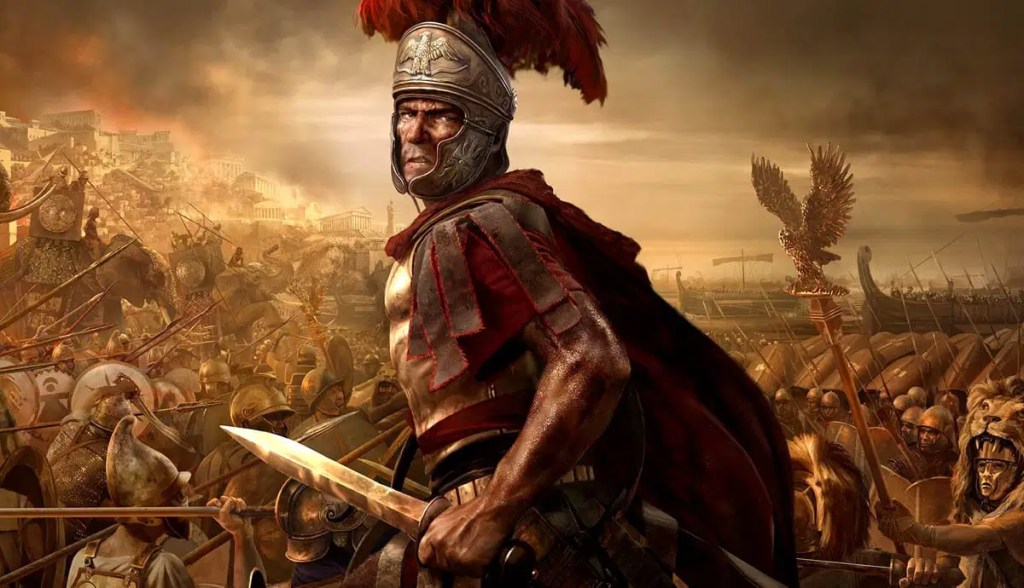
In the first century, Rome’s definition was clear:
power was demonstrated through control, hierarchy, and the capacity to compel obedience.
Authority flowed from the center.
Stability was preserved through force.
Peace was maintained by the visible presence of coercion.
Into this world, Jesus introduced a radically different model.
He did not deny the reality of power. He redefined its purpose.
Again and again, his actions and teachings pointed to an unsettling idea:
that true authority is measured not by how many obey you, but by how you treat those with no leverage at all.
This was not idealism. It was a direct inversion of imperial logic.
Where empire elevated dominance, Jesus emphasized responsibility.
Where rulers sought visibility, he chose proximity to the marginalized.
Where power insulated itself, he moved toward the vulnerable.
Even the symbolic acts matter.
Washing the feet of his followers—a task reserved for the lowest servants—was not a gesture of humility alone. It was a statement about leadership. Authority, in this vision, was not something to be guarded, but something to be exercised on behalf of others.
For systems built on control, this was deeply destabilizing.
Power that justifies itself through service cannot be monopolized.
Authority grounded in moral coherence cannot be enforced indefinitely by force.
In The Son of God, I argue that this redefinition of power—quiet, relational, and ethically demanding—is one of the most subversive elements of Jesus’ legacy. It challenged the empire of his time, and it continues to unsettle modern institutions that equate order with domination.
Tomorrow, I’ll turn to a related question: why Jesus’ message appealed so strongly to the weary, the poor, and the excluded—and why that still matters in societies shaped by inequality.
For those who wish to explore this argument more fully, The Son of God is available as a holiday e-book.
Some ideas survive not because they conquer—but because they refuse to mirror what they oppose.
These reflections draw from The Son of God, a historical and ethical study of Jesus’ life and legacy, currently available as a holiday e-book.

Thoughts? Share Below